In India, weddings have always been grand affairs. They are celebrations of family, culture, tradition and hospitality, often spanning several days and involving hundreds, if not thousands, of guests. Today, however, weddings have evolved into something far beyond a personal milestone. For India’s luxury hotels, they have become one of the most important business segments, contributing significantly to revenue, brand visibility and long-term customer loyalty. The rise of destination weddings, increasing spending by affluent families, international interest in Indian celebrations and the growing demand for personalised experiences have transformed five-star hotels into complete wedding destinations. From beachfront resorts and heritage palaces to modern city hotels with expansive convention centres, luxury hospitality brands are investing heavily in wedding infrastructure, specialised teams and experiential offerings.
At the same time, the line between weddings and conventions is becoming increasingly blurred. Hotels that can host elaborate weddings are also well-equipped to organise large-scale corporate events, international conferences and exhibitions. The result is a business model where investments in banquet halls, accommodation, culinary expertise and event management create year-round opportunities across multiple market segments.

India’s wedding industry remains one of the largest globally, with estimates placing its annual value at well over ₹5 lakh crore. Rising disposable incomes, aspirational lifestyles and social media have significantly increased expectations surrounding weddings. Families are now willing to spend substantial amounts on décor, entertainment, cuisine, fashion and hospitality. Luxury hotels have emerged as preferred venues because they offer an integrated solution. Instead of coordinating multiple vendors across different locations, families can host every function – from engagement ceremonies and mehendi to receptions and farewell brunches – within a single property. Guests benefit from premium accommodation, seamless transportation, curated dining experiences and dedicated event planners, while hosts appreciate the convenience of having one team manage every aspect of the celebration.
This demand has fuelled remarkable growth in the luxury wedding segment, encouraging hotel companies to develop dedicated wedding packages that combine accommodation, event spaces, wellness offerings and personalised experiences. Unlike traditional banquet venues, five-star hotels offer immersive experiences that extend beyond the wedding ceremony itself. Their appeal lies in creating memorable stays where guests enjoy luxury throughout the celebration.

Many properties now feature expansive lawns, multiple indoor ballrooms, rooftop venues, private villas, spas, wellness centres, bridal suites and specialised salons. Some even offer private beaches, lakeside settings or heritage architecture that provide spectacular backdrops for ceremonies. Luxury brands have recognised that modern couples seek individuality. Instead of standard wedding packages, hotels now customise every detail – from regional cuisines and signature cocktails to themed décor inspired by destinations, family histories or cultural traditions. Technology has also become central to wedding planning. Digital guest management, livestreaming for international attendees, personalised wedding websites, drone photography and AI-assisted event planning are increasingly becoming part of premium offerings.
The destination wedding boom has reshaped India’s hospitality landscape. States such as Rajasthan, Goa, Kerala, Uttarakhand and Himachal Pradesh continue to attract domestic and international couples looking for unique settings. Palace hotels in Jaipur and Udaipur, beach resorts in Goa, backwater retreats in Kerala and luxury mountain resorts have become globally recognised wedding destinations. These celebrations generate significant tourism revenue that extends well beyond the hotel itself.
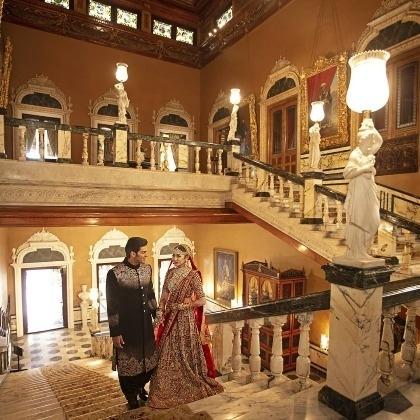
Airlines, transport operators, decorators, photographers, entertainers, florists, local artisans and tourism service providers all benefit from the influx of wedding guests. International weddings have become particularly valuable. Families from the Middle East, Southeast Asia, Europe, North America and the Indian diaspora increasingly choose luxury Indian hotels because they combine world-class hospitality with rich cultural experiences and competitive pricing compared to many international destinations. A luxury wedding generates far more than banquet revenue. Guest rooms often sell out for several days, sometimes for an entire week. Restaurants witness increased patronage, spas experience higher bookings, salons remain fully occupied and premium services such as airport transfers, concierge experiences and local sightseeing see strong demand.
Food and beverage revenue forms one of the largest components of wedding income. Indian weddings typically include multiple elaborate meals featuring regional, international and live culinary stations, each requiring extensive planning and execution. Additional income comes from venue rentals, audiovisual services, décor partnerships, entertainment support, premium beverage packages and wellness experiences for guests. The cumulative financial impact of a single large wedding often rivals or exceeds several weeks of regular hotel operations.

Beyond immediate revenue, weddings serve as powerful marketing platforms. Every wedding becomes a live showcase of the hotel’s capabilities. Guests experience the property’s accommodation, cuisine, service standards and event management firsthand. Many subsequently return as leisure travellers, corporate clients or organisers of future family celebrations. Social media has amplified this effect dramatically. Professional wedding photography, cinematic films and influencer-generated content frequently reach millions of viewers. A beautifully designed ceremony shared across Instagram, YouTube or Pinterest becomes organic advertising for the property.
Luxury hotels increasingly collaborate with wedding planners, designers, photographers and content creators to ensure every event also contributes to their brand visibility. Celebrity weddings have further elevated India’s luxury hospitality brands onto the global stage, attracting international attention and strengthening destination branding. Recognising the complexity of modern weddings, most luxury hotel chains now employ specialised wedding consultants who work exclusively on celebrations.

These professionals coordinate with families, planners, designers and vendors months before the event, ensuring every function runs smoothly. Their responsibilities include venue planning, room allocations, menu design, logistics, guest hospitality, transportation, entertainment coordination and contingency planning. Many hotel groups have also introduced digital platforms that allow clients to monitor timelines, budgets and guest preferences throughout the planning process. The ability to deliver flawless execution has become a key differentiator in an increasingly competitive market.
The same infrastructure that enables luxury weddings also strengthens a hotel’s position in the MICE market. Large convention halls, grand ballrooms, flexible meeting rooms, advanced audiovisual technology, extensive kitchens and substantial accommodation capacity can be utilised throughout the year for business events. Hotels that invest in large banquet facilities rarely rely solely on weddings. During weekdays, these venues frequently host international conferences, product launches, annual meetings, exhibitions, government summits and association conventions. This diversified utilisation improves return on investment while reducing dependence on seasonal leisure travel. Many of India’s leading luxury hotels now strategically balance wedding bookings during peak social seasons with corporate conventions throughout the rest of the calendar.
Hosting prestigious conventions also strengthens a hotel’s credibility. International organisations and multinational corporations expect impeccable service, advanced technology, high security standards and experienced event management teams. Properties that successfully organise large conferences often gain recognition as premium business destinations. This reputation subsequently reassures families planning weddings, who seek venues capable of managing complex logistics involving hundreds or even thousands of guests. In effect, success in one segment reinforces confidence in the other. Several hotel brands actively market themselves as venues equally suited for grand celebrations and international business gatherings, maximising occupancy across seasons.
Many clients now specifically request sustainable wedding options, encouraging hotels to integrate environmental responsibility into luxury experiences without compromising elegance. Similarly, convention organisers are seeking venues with green certifications, renewable energy initiatives and responsible waste management programmes. Sustainability therefore enhances both brand reputation and commercial competitiveness. The future of luxury weddings in India will be defined by experiences rather than extravagance alone. Couples increasingly seek immersive celebrations featuring wellness activities, cultural performances, local cuisine, adventure experiences and personalised guest itineraries. Hotels are responding by curating multi-day programmes that resemble luxury vacations as much as wedding celebrations.
Artificial intelligence, virtual reality venue previews, data-driven guest personalisation and smart event technologies are expected to become standard features over the coming years. Convention business will evolve alongside these innovations, with hybrid meeting technology, immersive event experiences and sustainable operations becoming equally important. For India’s five-star hotels, weddings and conventions are no longer separate business segments. Together, they represent complementary pillars of growth that maximise infrastructure, strengthen brand positioning and generate substantial economic value.

“Weddings today are no longer viewed as standalone events. They are immersive, multi-day experiences where every interaction contributes to creating lasting memories. Behind every successful wedding are months of meticulous planning, seamless coordination, and close collaboration between the hotel team, wedding planners, families, and a network of specialised partners. From curating personalised culinary experiences to managing guest logistics, décor, entertainment, wellness, and hospitality, every detail is thoughtfully orchestrated to ensure the celebrations unfold effortlessly. For a luxury hotel, weddings are among the most meaningful expressions of hospitality. They allow us to showcase not only our venues and services but also our ability to create bespoke experiences that reflect the personalities and traditions of each family.
Beyond the celebrations themselves, destination weddings significantly enhance a hotel’s visibility and reputation. Every wedding generates authentic storytelling through guest experiences, photography, films, and social media, introducing the property to new audiences across geographies. They also create long-term brand affinity, as wedding guests often return for leisure stays, anniversaries, and family occasions. In many ways, a wedding is not simply an event for a hotel. It is an opportunity to build enduring relationships while showcasing the very best of the destination and the spirit of hospitality that defines the Taj experience,” said Lalith Viswakumar, General Manager, Taj Malabar Resort & Spa, Cochin.

“A destination wedding is the fulfilment of a lifelong dream for the bride, the groom, and their families. When they walk into a hotel, they arrive with hopes, emotions, and expectations that go far beyond selecting a venue. The journey begins with the first interaction, where the sales team creates an emotional connection, presenting the hotel not just as a property but as the family’s dream home for the celebrations. Every space within the hotel must become part of the wedding story. From the mehndi and haldi to the sangeet, wedding ceremony, and emotional bidaai, each venue is carefully showcased to complement every chapter of the celebration. Luxury hotels today are increasingly designed with this storytelling approach in mind.
Equally important are the people who bring these moments to life. Hotel teams are trained to become an extension of the family, delivering heartfelt hospitality. A memorable experience, supported by exceptional service and a remarkable product, creates lifelong ambassadors, making one successful wedding the foundation for many more,” added Gagan Katyal, Director of Sales, Fairmont Jaipur.
As India’s hospitality sector continues to expand and experiential travel becomes increasingly important, luxury hotels are likely to invest even further in integrated event ecosystems that cater to both celebration and commerce. Every successful wedding showcases the property’s ability to create unforgettable moments, while every successful convention reinforces operational excellence. Together, they transform hotels into destinations where memories are created, businesses connect and brands are built.
