India’s destination wedding industry has undergone a remarkable transformation over the past decade. What was once synonymous with lavish palace weddings in Rajasthan or beach ceremonies in Goa has evolved into a sophisticated ecosystem driven by personalisation, immersive experiences, sustainability and the desire to tell unique stories. Today’s couples are no longer merely booking a venue – they are curating multi-day celebrations that reflect their personalities, cultures and shared journeys.
The Indian wedding, estimated to be worth over ₹10 lakh crore annually, remains one of the largest in the world. Destination weddings account for a rapidly growing segment of this industry, fuelled by rising disposable incomes, the influence of social media, easier connectivity, luxury hospitality expansion and a growing acceptance of intimate yet experience-rich celebrations. For the travel and hospitality industry, destination weddings have emerged as one of the most lucrative business segments, generating significant demand for hotels, airlines, event companies, local artisans, transport providers, photographers, entertainers and tourism experiences.
The modern Indian wedding bears little resemblance to the traditional two-day affair. Destination weddings today typically span three to five days, featuring welcome dinners, cocktail evenings, themed parties, wellness sessions, local cultural performances, adventure activities, farewell brunches and curated sightseeing. Rather than simply transporting guests to another city, couples now want their wedding to double as a memorable holiday for family and friends. Wedding planners note that guests increasingly expect more than ceremonies. A typical itinerary may include sunrise yoga overlooking the Himalayas, vineyard tours, sunset cruises, cooking classes, wildlife safaris or heritage walks, transforming the celebration into an immersive travel experience. This shift has significantly benefited tourism destinations that can combine luxury hospitality with authentic local experiences.

Planning a destination wedding usually begins 12 to 18 months before the wedding, especially for dates during India’s peak wedding season between October and March. The first and perhaps most important decision is choosing the destination. Instead of selecting a location solely for its popularity, couples now begin by deciding the kind of experience they want. Some dream of exchanging vows on a secluded beach, while others prefer mist-covered mountains, vineyards, forests or centuries-old heritage properties. Accessibility for guests, weather conditions, accommodation options and overall budget all influence the final choice.
Once the destination is finalised, the venue search begins. Luxury hotels and resorts today offer comprehensive wedding packages rather than simply renting out banquet halls. Dedicated wedding specialists work alongside families to create customised celebrations, offering multiple indoor and outdoor venues, curated culinary experiences, spa packages, airport transfers, entertainment coordination and photography locations. Many international and Indian hotel brands now have specialised wedding programmes designed exclusively for destination celebrations.
Wedding planners have become central to the entire process. They oversee budgeting, vendor management, décor, entertainment, guest logistics, transportation, legal permissions, hospitality and contingency planning. Technology has also transformed the planning industry. Virtual venue tours, AI-assisted mood boards, digital guest management platforms, online RSVP systems and collaborative planning tools allow families spread across different cities and countries to stay involved throughout the process. Guest experience has become as important as the wedding itself. Welcome hampers filled with regional delicacies, locally crafted souvenirs and personalised travel guides have become commonplace. Couples also weave the destination into every aspect of the celebration, incorporating local cuisine, traditional performances, regional décor styles and cultural activities to give guests an authentic sense of place.
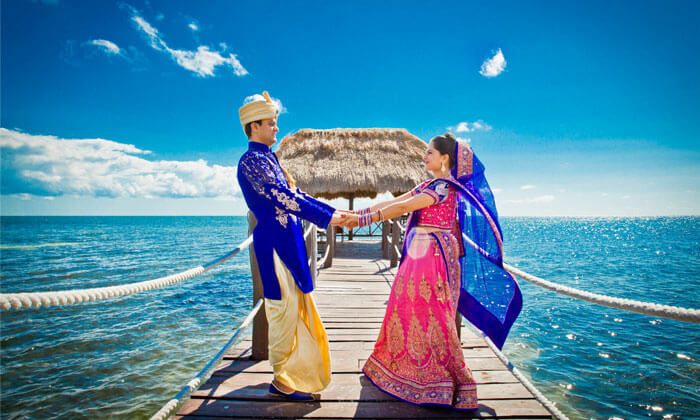
For years, destination weddings in India were almost synonymous with Rajasthan’s palaces, Goa’s beachside and the lakeside luxury of Udaipur. While these iconic destinations continue to attract thousands of weddings every year, many couples are now seeking locations that feel more intimate, distinctive and less predictable.
Coorg has emerged as one of the most sought-after alternatives. Surrounded by coffee plantations, forests and boutique luxury resorts, it offers a tranquil setting for intimate weddings where nature becomes part of the celebration. The cool climate and picturesque landscapes also make it particularly attractive for outdoor ceremonies. Hampi is another destination gaining popularity among couples who appreciate heritage and history. The dramatic backdrop of ancient stone ruins, spectacular sunsets and luxury resorts creates a setting that feels both timeless and unique. Rather than recreating palace weddings, Hampi offers a celebration rooted in India’s rich archaeological legacy.
Kerala’s backwaters, particularly Alleppey and Kumarakom, have also become favourites for couples seeking a slower, more relaxed atmosphere. Houseboat ceremonies, lakeside resorts, Ayurvedic wellness experiences and traditional Kerala hospitality combine to create intimate celebrations that feel deeply connected to the destination. Further north along Karnataka’s coastline, Gokarna is quietly positioning itself as an alternative to Goa. With quieter beaches, boutique resorts and a more laid-back ambience, it appeals to couples who want understated elegance rather than large-scale beach parties.
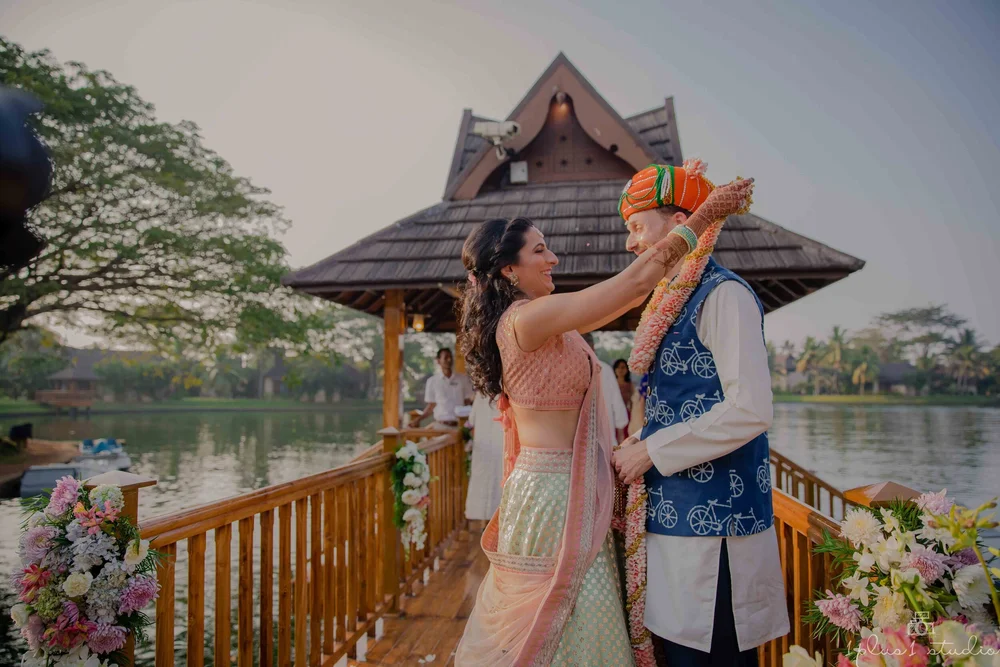
The White Desert of Kutch has introduced an entirely different aesthetic to destination weddings. During the winter months, luxury tented camps, folk performances and the surreal landscape of the salt desert create unforgettable celebrations unlike any other in India. Tea plantations and the mist-covered hills have made Munnar another increasingly popular choice, especially for couples looking for cooler climates and scenic mountain settings. The region’s luxury resorts seamlessly combine wellness, nature and hospitality.
For those seeking an island wedding without travelling overseas, the Andaman Islands offer pristine beaches, turquoise waters and intimate luxury resorts that rival many international destinations while remaining within India. Meanwhile, destinations across Northeast India – including Meghalaya, Sikkim and Arunachal Pradesh – are gradually entering the wedding landscape as improved connectivity and hospitality infrastructure make these breathtaking regions more accessible.
While domestic destinations continue to dominate the market, international destination weddings are witnessing steady growth among affluent Indian couples looking for exclusive experiences and smaller, highly curated celebrations. Countries that offer seamless connectivity, luxury hospitality and straightforward wedding logistics are becoming increasingly popular. Thailand and Bali remain perennial favourites owing to their proximity, tropical settings and competitive wedding packages, while destinations such as the UAE, Sri Lanka, Vietnam and the Maldives are attracting couples seeking a blend of luxury and convenience. For larger, ultra-premium celebrations, Italy, France and Greece continue to hold aspirational appeal, particularly among high-net-worth families looking for historic villas, vineyards and coastal settings.
Hotels today play a far greater role than simply providing accommodation. They have become complete wedding partners, investing heavily in specialised wedding teams, customised culinary experiences, exclusive property buyouts and destination-inspired celebrations. For many luxury resorts, destination weddings represent one of the most profitable segments of their business. Multi-day celebrations generate higher occupancy rates, increased food and beverage revenues, spa bookings and extended stays, benefiting both hotels and surrounding tourism economies. This demand has also encouraged boutique resorts, plantation estates, vineyard properties, wellness retreats and luxury camps to actively position themselves as niche wedding destinations.
Sustainability is increasingly influencing wedding planning. Modern couples are becoming more conscious of their environmental footprint and are choosing celebrations that minimise waste without compromising on luxury.
Digital invitations have replaced elaborate printed cards, while locally sourced flowers, regional cuisine, reusable décor elements and zero food waste initiatives are becoming more common. Several luxury resorts now actively promote their sustainability credentials as part of their destination wedding offerings. Technology is simplifying every stage of wedding planning. Artificial intelligence helps create mood boards and budget forecasts, while virtual venue tours allow families to evaluate locations without repeated travel. QR-code itineraries, digital concierge services, drone photography and live-streamed ceremonies have now become standard features of many destination weddings. These innovations make planning easier for families living across multiple cities and countries, while also enhancing the overall guest experience.
India’s destination wedding market is expected to become more diverse, experience-driven and personalised over the coming decade. Smaller guest lists are likely to become more common, with couples investing in curated experiences rather than large-scale extravagance. As infrastructure improves, Tier II and Tier III destinations are expected to emerge as attractive alternatives to established wedding hotspots. Wellness retreats, vineyard weddings, forest resorts, adventure-based celebrations and culturally immersive experiences will continue to gain popularity.
Regional storytelling is also expected to become a defining feature of future weddings. Instead of replicating generic luxury formats, couples will increasingly embrace local architecture, traditional crafts, indigenous cuisine and cultural performances that reflect the identity of their chosen destination. India’s destination wedding industry is no longer defined solely by royal palaces and beachfront resorts. It is evolving into an experience-led travel segment where celebrations become an opportunity to explore new places, support local communities and create deeply personal memories.
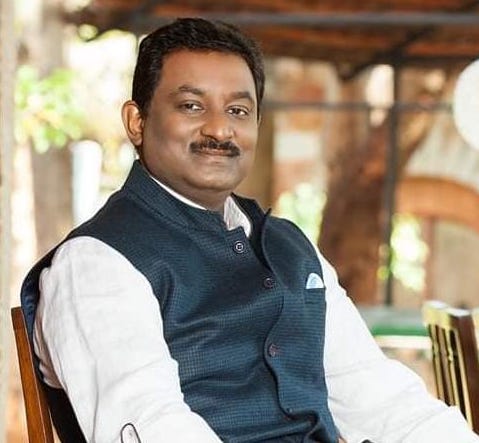
“Today, couples seek an experience that reflects who they are. Every destination has a story to tell, and couples want that story to become part of their own. While destinations like Goa, Jaipur, and Udaipur continue to be favourites, there is a noticeable shift towards places that feel more intimate and less explored. Within India, locations such as Coorg, Kumarakom, Rishikesh, and Hampi are attracting couples who are looking for something different. Internationally, Thailand remains one of the most sought-after destinations because of its hospitality, seamless connectivity, and ability to cater exceptionally well to Indian weddings. We are also witnessing growing interest in Vietnam, Sri Lanka, and Bali, while destinations such as Italy and Greece are becoming increasingly popular among couples looking for bespoke celebrations.
What I find most encouraging is that today’s couples are no longer chasing grandeur for its own sake. They want their guests to remember the warmth of the celebration, the local culture they experienced, and the moments they shared. In many ways, destination weddings have become more personal than extravagant. Looking ahead, I believe the destination wedding market will continue to grow as couples become more confident about celebrating beyond traditional venues. The future belongs to thoughtfully curated weddings, where the destination is not merely a backdrop but an integral part of the celebration. After all, the most memorable weddings are not defined by where they take place but by how they make people feel,” said Mahendra Gangadharan, Founder, Neferrtiti Weddings.

“I think the biggest misconception about destination weddings is that couples choose destinations. Increasingly, they choose experiences. Today, luxury is defined by seamless execution. It’s about effortless guest experiences, thoughtful hospitality, accessibility and authentic local culture rather than sheer extravagance. Every destination has its own personality, and the key is finding one that reflects the couple’s story. Technology will undoubtedly transform the industry through AI-driven planning, virtual site inspections and personalised guest communication. However, no technology can replace empathy, intuition or the joy of families coming together to celebrate life’s most meaningful moments.
We’re also seeing couples move beyond traditional wedding hotspots and explore destinations such as the Andamans, Coorg, Kashmir and Hampi, while internationally, the Middle East, Malaysia, Mauritius, Sri Lanka, Thailand and Vietnam continue to gain popularity. Ultimately, destination weddings are no longer defined by where they take place but by how they make people feel. The destination is the backdrop; the memories are the true legacy,” stated Srikant Kanoi, Chapter Head, International Association of Destination Wedding Professionals (IADWP).
As couples continue to move beyond conventional choices, lesser-known destinations across the country stand to benefit from increased tourism, improved hospitality infrastructure and greater global visibility. For the travel industry, this shift represents not just a growing market but a powerful reminder that the most memorable weddings are no longer measured by their scale but by the stories they tell and the destinations that bring those stories to life.
